

Multivitamins are everywhere—from supermarket shelves to online health shops, promising better energy, immunity, and overall well-being. For many people, taking a daily multivitamin has become routine, especially in a world where time is tight and diet can be inconsistent. But despite their popularity, many still wonder: Are multivitamin supplements actually good for you? And what does the NHS say about them?
The short answer is: it depends. While multivitamin supplements can provide benefits in certain contexts, they're not a cure-all. The NHS approach to health and nutrition is food-first, with an emphasis on balanced eating rather than relying heavily on supplements. However, there are circumstances where supplementation is advised. This article explores what the NHS recommends, when multivitamins can be helpful, and what to consider when deciding whether they're right for you.
What Are Multivitamin Supplements?
Multivitamin supplements are dietary products that contain a combination of vitamins, and often minerals, formulated to support general health. Most multivitamins are taken once daily and are designed to fill in nutritional gaps that may exist due to poor diet, stress, illness, or lifestyle factors. These supplements often include essential nutrients such as vitamin A, B-complex vitamins, vitamin C, D, E, K, calcium, magnesium, and zinc.
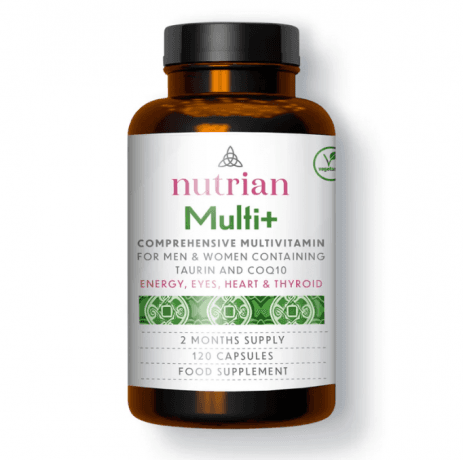
Multivitamins like Multivitamin supplements from Nutrian are tailored to offer comprehensive coverage of key nutrients in balanced proportions. The idea is to provide a convenient way to support your health when diet alone might not be enough. But the question remains—does the NHS support their use?
The NHS Perspective on Supplements
The NHS generally promotes a food-first approach to nutrition, encouraging people to get the vitamins and minerals they need through a healthy, balanced diet. According to NHS guidelines, most people should be able to get all the nutrients they need from eating a variety of fruits, vegetables, whole grains, proteins, and healthy fats.
However, the NHS also recognises that certain groups may need supplementation. For example, the NHS advises all adults in the UK to consider taking 10 micrograms of vitamin D daily during autumn and winter, when sunlight exposure is limited. Folic acid supplements are recommended for women who are pregnant or trying to conceive. Iron and B12 supplements may be advised for individuals with diagnosed deficiencies or dietary restrictions, such as vegans.
But when it comes to multivitamins specifically, the NHS is cautious. It doesn't generally recommend multivitamin supplements for everyone, mainly because unnecessary supplementation could lead to overdosing on certain nutrients or a false sense of dietary security. In essence, multivitamins can be helpful—but only when used appropriately.
Who Might Benefit From Multivitamin Supplements?
Despite the NHS's food-first stance, there are situations where multivitamin supplements can offer real value. People with dietary limitations—such as vegans, vegetarians, and individuals with food allergies—may struggle to get all essential nutrients from food alone. For example, vitamin B12, iron, calcium, and omega-3s are nutrients commonly underconsumed in plant-based diets.
Busy lifestyles, irregular eating habits, and processed food consumption can also contribute to nutrient gaps. Multivitamin supplements can help fill these gaps without the need for constant diet tracking. Additionally, those recovering from illness, surgery, or managing chronic conditions may have higher nutrient demands, making supplementation a practical solution during periods of physical stress.
Older adults, too, often face reduced nutrient absorption due to ageing. For them, a balanced Multivitamin supplement may provide a safety net for nutrients like vitamin D, calcium, and B12.
While the NHS doesn't promote multivitamins as a one-size-fits-all solution, it does acknowledge that certain individuals may benefit—especially when they are not getting enough key nutrients from food sources alone.
Are There Risks in Taking Multivitamin Supplements?
Taking multivitamin supplements is generally safe for most people when consumed within recommended daily allowances. However, more is not always better. Over-supplementation can cause problems, particularly with fat-soluble vitamins like A, D, E, and K, which are stored in the body and not easily excreted.
For example, consistently high doses of vitamin A can lead to liver toxicity and pose risks during pregnancy. Excess vitamin D can lead to calcium buildup in the body, potentially damaging kidneys or bones. Taking more than the required amount of iron can result in gastrointestinal issues and, in rare cases, iron poisoning—especially in children.
Another issue is the interaction between multivitamins and prescription medications. For example, vitamin K can interfere with blood thinners like warfarin. Iron and calcium can affect the absorption of certain antibiotics or thyroid medications. For individuals on long-term medication, it's important to consult with a healthcare provider before starting multivitamin supplements.
The NHS warns against taking high-dose vitamin and mineral supplements unless prescribed or advised by a doctor. Always follow dosage instructions and read product labels carefully. Supplements should support your health—not create new problems.
Can Multivitamin Supplements Replace a Healthy Diet?
No, and the NHS is clear on this. Multivitamin supplements are not a substitute for a healthy, balanced diet. Whole foods offer more than just isolated nutrients—they provide fibre, antioxidants, phytonutrients, and enzymes that work together synergistically to support health.
Even the best-formulated Multivitamin supplement cannot replicate the complexity of nutrients found in fruits, vegetables, legumes, lean proteins, and whole grains. The goal of supplementation should always be to complement a good diet, not to replace it.
That said, a supplement can offer peace of mind, especially for people who know they're not meeting dietary guidelines consistently. Think of it as nutritional insurance—a way to support your body's needs on days when life gets in the way of cooking and meal planning.
Do Multivitamins Actually Work?
The effectiveness of multivitamin supplements depends on your personal health status, diet, lifestyle, and the quality of the supplement you're taking. For someone with a nutrient deficiency, a multivitamin can be very effective in restoring proper levels and improving symptoms like fatigue, poor concentration, or weakened immunity.
However, research on multivitamins in generally healthy populations is mixed. Some studies show small benefits for cognitive function, mood, and energy, while others suggest limited impact. The NHS and other health bodies often cite this lack of conclusive evidence to caution against unnecessary use.
Still, individual results vary widely. Someone with borderline low vitamin D or B12 might notice a significant improvement in how they feel after consistent supplementation. Others might not feel a difference, yet benefit in ways they can't immediately perceive—such as improved immune support or cellular repair.
Ultimately, the most meaningful results come from a combination of good nutrition, lifestyle, and responsible supplement use—not from relying solely on pills for vitality.
Choosing the Right Multivitamin Supplement
Quality matters. Not all multivitamins are created equal, and some cheaper brands may use synthetic or poorly absorbed forms of nutrients. Others may contain fillers, artificial colours, or unnecessary additives. Selecting a reputable product like Multivitamin supplements from Nutrian ensures you're getting a well-rounded formula made with bioavailable nutrients that the body can efficiently absorb and use.
It's also important to consider your specific needs. For example, some multivitamins are tailored for men, women, older adults, or athletes, with formulas adjusted to meet unique nutritional requirements. The best multivitamin for you should align with your age, gender, health conditions, and diet.
Always read labels, check serving sizes, and avoid megadoses unless directed by a healthcare professional. If you're unsure which product to choose, consulting with a nutritionist or GP can provide personalised guidance.
NHS Final Word: Moderation and Mindfulness
The NHS isn't against multivitamin supplements. Rather, its message is one of moderation and mindfulness. Supplements should never be a replacement for healthy habits, nor should they be taken haphazardly. When used with care, multivitamins can support health goals, improve nutrient intake, and help fill dietary gaps.
But the foundation should always be a diet rich in whole, nutritious foods. That's where the bulk of your vitamins and minerals should come from. Supplements are just that—supplements to a diet, not substitutes for it.
If you suspect a deficiency or have specific health concerns, speak with your GP. Blood tests can confirm whether supplementation is necessary. This approach not only helps you avoid wasting money on unnecessary products but also reduces the risk of taking something that may not suit your health profile.
Conclusion:
Multivitamin supplements are not a one-size-fits-all solution, but for many people, they can play a beneficial role in supporting health. While the NHS doesn't universally recommend multivitamins for all adults, it acknowledges that they can be useful in certain circumstances—especially for those with limited diets, increased nutrient needs, or specific deficiencies.
The key is to use them wisely. Avoid high doses, focus on quality, and never rely on a supplement to do the job of a healthy diet. If you choose to add a multivitamin to your routine, go with a trusted product like Multivitamin supplements that supports your body without unnecessary extras.