

Collagen has quickly become a buzzword in the wellness and beauty industry, with influencers, health experts, and skincare enthusiasts raving about its numerous benefits. From improving skin elasticity to supporting joint health and even promoting gut healing, collagen is touted as a powerhouse protein. But with the growing popularity of collagen supplement products, a critical question arises: Are there any downsides to taking collagen?
While many users experience noticeable improvements in skin texture, nail strength, and joint function, some medical professionals and researchers urge consumers to look beyond the hype. As with any supplement, individual responses can vary, and it's crucial to examine both the benefits and the potential risks before making collagen a staple in your daily routine.
What Is a Collagen Supplement?
Before diving into the potential downsides, it's essential to understand what a collagen supplement actually is. Collagen is the most abundant protein in the human body and plays a vital role in maintaining the structure of skin, bones, tendons, and ligaments. As we age, our bodies naturally produce less collagen, leading to visible signs of aging such as wrinkles, joint pain, and decreased muscle mass.
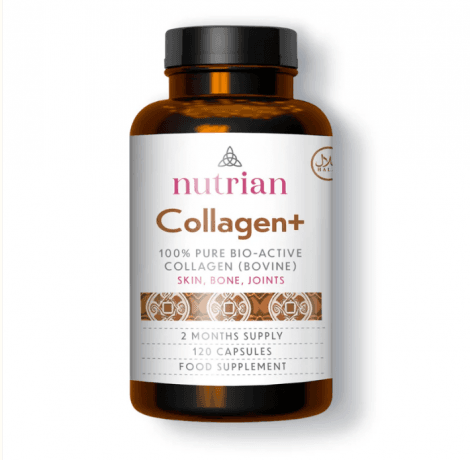
To counter this decline, many people turn to collagen supplements, which are typically derived from bovine (cow), marine (fish), or porcine (pig) sources. These supplements are hydrolyzed into smaller peptides for easier digestion and absorption. One such product is the collagen supplement offered by Nutrian, made from 100% pure bio-active bovine collagen.
Marketed for their potential to restore youthful skin, strengthen joints, and support gut health, these products have gained widespread popularity. But do they come with any risks?
Possible Digestive Discomfort
Although many users tolerate collagen well, some report experiencing mild to moderate digestive issues. This can include symptoms like bloating, gas, or a feeling of fullness. These side effects are typically due to the body adjusting to the protein-heavy nature of the supplement or reacting to specific ingredients included in the formulation.
People with sensitive digestive systems or existing gastrointestinal conditions such as irritable bowel syndrome (IBS) should approach collagen supplementation with caution. Starting with a smaller dose and gradually increasing it can help minimize any initial discomfort.
Additionally, some collagen supplements are flavored or contain additives like sweeteners, preservatives, or artificial ingredients, which may further irritate the gut or cause reactions in sensitive individuals.
Allergic Reactions and Sensitivities
Another potential downside involves allergic reactions. Collagen supplements derived from marine or bovine sources can cause allergic responses in individuals sensitive to fish or beef proteins. Symptoms may include skin rashes, itching, digestive upset, or, in rare cases, anaphylaxis.
It is especially important for those with known allergies to carefully read the product labels. While most high-quality collagen supplements undergo rigorous testing and purification processes, trace allergens may still be present. This is why transparency in sourcing and production matters significantly when selecting a collagen supplement.
Questionable Efficacy for Some People
While many studies suggest that collagen supplementation can improve skin hydration, elasticity, and even reduce the appearance of wrinkles, these effects are not universal. The body may not always use the collagen peptides in the way supplement companies claim.
Once ingested, collagen is broken down into amino acids and peptides—components that the body uses where needed, which may not always be the skin or joints. This means the benefits of collagen supplements could vary greatly from one person to another. Some people may see significant improvements, while others may notice little to no difference.
Furthermore, the presence of other nutrients like vitamin C, zinc, and copper play a key role in how well the body can synthesize and use collagen. Without these co-factors, even the best collagen supplement may not deliver optimal results.
Heavy Metal Contamination Risks
Not all collagen products are created equal. One of the more concerning risks is the potential for contamination with heavy metals such as lead, mercury, and cadmium—especially in marine-derived collagen products. These metals can accumulate in fish and other animals, and if not properly filtered during the production process, can end up in the final supplement.
Long-term exposure to heavy metals has been linked to numerous health problems, including kidney damage, neurological disorders, and cancer. To mitigate this risk, it's essential to choose a collagen supplement from a trusted manufacturer that adheres to strict quality control standards and offers third-party testing.
Look for products that clearly disclose their sourcing practices and provide Certificates of Analysis (COAs) confirming the absence of contaminants.
Cost Considerations vs. Long-Term Value
Another practical downside is the cost. High-quality collagen supplements, particularly those that are sustainably sourced and third-party tested, can be quite expensive. Given that collagen production declines with age and needs ongoing support, most people need to take these supplements regularly for an extended period to see consistent results.
This ongoing cost can be a significant burden, especially when the benefits are not guaranteed for every user. Some may find that their money is better spent on a balanced diet rich in whole foods that support natural collagen production, such as bone broth, leafy greens, citrus fruits, and lean proteins.
However, for those seeking a more direct and convenient method to increase their collagen intake, a reputable collagen supplement may still be a worthwhile investment.
Ethical and Dietary Restrictions
Ethical and religious considerations also come into play with animal-based collagen products. Bovine collagen, for instance, is not suitable for vegetarians, vegans, or those who follow religious dietary laws that restrict the consumption of beef or pork products.
While some brands offer vegan “collagen boosters” that support the body's own collagen production using plant-based nutrients, these are not true collagen supplements. They may help indirectly by providing the building blocks the body needs to produce collagen, but they do not contain actual collagen peptides.
For consumers with specific dietary needs or restrictions, finding a suitable collagen supplement can be a challenge. Always check the ingredient list and product certifications to ensure it aligns with your values and health requirements.
Collagen Alone Is Not a Magic Solution
A significant misconception among consumers is that collagen supplements alone will lead to dramatic improvements in skin, hair, and joint health. In reality, collagen works best as part of a holistic health routine that includes a balanced diet, adequate hydration, regular exercise, and good sleep hygiene.
Without these other components, the benefits of even the highest quality collagen supplement may be limited. Supplementation should be seen as one piece of a larger puzzle, not a cure-all.
For example, collagen supplements will have minimal effect if your diet is lacking in vitamin C, which is essential for collagen synthesis. Similarly, smoking, high sugar intake, and excessive sun exposure all contribute to collagen breakdown—no supplement can fully counteract these damaging lifestyle factors.
The Verdict: Proceed with Awareness
So, are there downsides to taking collagen? Yes, but they vary depending on the individual, the quality of the supplement, and how it's used. While many people report improved skin appearance, better joint flexibility, and stronger nails, others may experience digestive discomfort, allergic reactions, or no noticeable benefits at all.
More importantly, not all products on the market are created equal. The best way to reduce the risk of negative side effects is to choose a premium collagen supplement from a transparent and reputable brand. Look for clean ingredient profiles, sustainable sourcing, and evidence of third-party lab testing.
Ultimately, collagen supplementation may offer real benefits—but it's not for everyone. Consult your doctor or a registered dietitian before starting any new supplement, especially if you have underlying health conditions, allergies, or are taking other medications.