

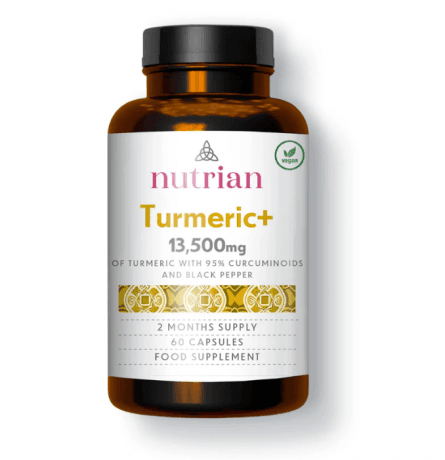
These supplements typically contain curcumin, the active compound in turmeric that's responsible for most of its health benefits. Curcumin has been studied for its potential to support joint health, reduce inflammation, enhance digestion, and even support cognitive function. However, as with any supplement, turmeric is not without its drawbacks. While often considered safe when used appropriately, there are certain situations where turmeric—or more specifically, turmeric supplements—can lead to negative side effects.
What Are Turmeric Supplements and Why Are They So Popular?
Turmeric supplements are concentrated forms of turmeric, often enhanced with ingredients like black pepper extract (piperine) to improve Turmeric has long been revered in traditional medicine for its powerful anti-inflammatory and antioxidant properties. Known as the golden spice, turmeric is a key ingredient in Indian cuisine and Ayurvedic practices and has become a modern wellness staple across the globe. As more people seek natural solutions for chronic pain, joint issues, and inflammation, turmeric supplements have gained significant attention and popularity.
absorption. This is because curcumin on its own has poor bioavailability, meaning it's not easily absorbed by the body. Adding piperine can significantly increase how much curcumin your body can utilize, making supplements far more effective than consuming turmeric in food alone.
Consumers turn to turmeric supplements for a wide range of reasons. Many use them as a natural anti-inflammatory to manage joint pain, arthritis, and general inflammation. Others look to turmeric for its potential immune-boosting and neuroprotective effects. Scientific studies have even explored curcumin's role in heart health, cancer prevention, and metabolic conditions. Products like turmeric supplements from Nutrian, which combine turmeric and black pepper in capsule form, are designed for maximum effectiveness and convenience.
Despite their many potential benefits, turmeric supplements are not without risk—especially when taken in high doses or over extended periods.
Gastrointestinal Distress: A Common Issue
One of the most frequently reported side effects of turmeric supplements is gastrointestinal discomfort. Some users experience bloating, acid reflux, nausea, or diarrhea after taking them. These symptoms often occur because curcumin stimulates the stomach to produce more gastric acid, which can be problematic for people with sensitive digestive systems or pre-existing conditions like acid reflux or ulcers.
In mild cases, this may just feel like an upset stomach. In more serious instances, it could aggravate existing gastrointestinal issues. While taking the supplement with food can reduce irritation, it's important to monitor how your body reacts and adjust accordingly. If digestive discomfort persists, reducing the dose or discontinuing use may be necessary.
Risk of Blood Thinning and Bleeding
Another concern is turmeric's blood-thinning properties. Curcumin may inhibit platelet aggregation, which could interfere with blood clotting. This becomes particularly risky for individuals taking anticoagulant or antiplatelet medications such as warfarin, aspirin, or clopidogrel. Combining these with turmeric supplements may increase the risk of bruising and bleeding, especially during surgery or after an injury.
It's essential for individuals on blood thinners to consult with their healthcare provider before starting any turmeric supplement regimen. Even natural compounds can interact with medications in ways that compromise safety. Additionally, anyone scheduled for surgery should avoid turmeric supplements for at least two weeks prior to the procedure, unless cleared by their doctor.
Potential Gallbladder Issues
Turmeric has been known to stimulate bile production, which can be helpful for digestion. However, for individuals with gallstones or bile duct obstructions, this stimulation can actually worsen the condition. Excessive bile flow can cause pain or spasms in people with pre-existing gallbladder issues.
Those with known gallbladder disease, history of gallstones, or other biliary disorders should approach turmeric supplements with caution. Even though turmeric is natural, its potent effects on liver and bile function mean it isn't suitable for everyone.
Iron Absorption Inhibition
Although turmeric is often used to support general wellness, it may impair the absorption of iron when taken in supplement form over time. This is due to curcumin's ability to bind to iron and interfere with the way the body absorbs it from food.
This poses a risk particularly for individuals who are already iron deficient or at risk of anemia, such as menstruating women, vegetarians, and people with certain chronic conditions. If you fall into one of these categories and are considering turmeric supplements, it's worth checking your iron levels periodically and discussing supplementation with your healthcare provider.
Combining turmeric with iron-rich meals or separating the timing of supplementation may help mitigate this effect, but it remains an important consideration.
Allergic Reactions and Sensitivities
Though rare, some individuals may experience allergic reactions to turmeric or curcumin. This could include symptoms like rashes, itching, dizziness, or difficulty breathing. More commonly, people may develop a mild sensitivity that leads to skin irritation or gastrointestinal upset, especially when taking turmeric in high doses.
If you notice signs of an allergic response after beginning a turmeric supplement, it's critical to discontinue use immediately and consult a medical professional. Supplements, while natural, can still trigger adverse immune responses, particularly in people with a history of allergies or sensitivities to herbs and spices.
Risks of Overuse and High Dosage
Just because something is natural doesn't mean more is better. In fact, excessive intake of turmeric supplements can lead to a range of negative side effects. High doses of curcumin—typically above 1,000 mg per day—can increase the risk of liver toxicity, especially in people with pre-existing liver conditions or those who consume alcohol frequently.
While clinical studies often use high doses of curcumin for therapeutic purposes, these are typically short-term interventions under medical supervision. Prolonged self-administration at such levels can carry risks that outweigh the potential benefits. This is why it's essential to follow dosing guidelines carefully and avoid combining multiple turmeric products unless advised by a healthcare professional.
Interaction with Medications
Turmeric supplements can interact with various medications, sometimes in ways that reduce efficacy or increase side effects. Beyond blood thinners, turmeric may interfere with drugs used to manage diabetes, high blood pressure, and even chemotherapy agents. Curcumin has been shown to affect certain enzymes in the liver responsible for metabolizing medications, which can alter how drugs are processed in the body.
These interactions are especially relevant for individuals managing chronic conditions with prescription medication. The safest route is always to speak with a physician or pharmacist before adding a supplement like turmeric to your routine. Transparency about what you're taking is key to avoiding dangerous interactions.
Not All Supplements Are Equal
The quality of turmeric supplements can vary significantly from one brand to another. Some products may contain fillers, synthetic additives, or insufficient amounts of curcumin to be effective. Others might not include black pepper extract, which is crucial for bioavailability.
Choosing a reputable product like turmeric supplements that combines turmeric with black pepper can make a significant difference in both effectiveness and safety. Trusted brands tend to prioritize purity, transparency, and proper dosing—factors that help reduce the risk of side effects and ensure a more consistent experience.
Final Thoughts:
Turmeric is undeniably a powerful natural remedy with numerous health-promoting properties. When used wisely, turmeric supplements can support joint health, inflammation management, and overall well-being. However, like any potent natural compound, turmeric is not without its risks.
Gastrointestinal issues, blood thinning, interactions with medications, and impaired iron absorption are just a few of the potential side effects that users should be aware of. These risks don't mean that turmeric should be avoided altogether, but rather that it should be approached with the same level of respect and consideration as any other health intervention.